Collaboration is at the heart of creating a healthier, more inclusive community. When it comes to dental care for neurodivergent individuals—those with autism, ADHD, sensory processing differences, and other neurological variations—working together across disciplines is essential. Dental health is often overlooked in behavioral health conversations, yet it plays a critical role in overall well-being.
Why Collaboration Matters
Neurodivergent patients may experience unique challenges in dental settings, such as heightened anxiety, sensory sensitivities, or difficulty with communication. These factors can lead to delayed care or avoidance altogether, increasing the risk of oral health issues. By fostering collaboration between
dental professionals, behavioral health teams, caregivers, and community organizations, we can create environments that feel safe, supportive, and accessible.
Insights for Better Support
· Sensory-Friendly Practices: Simple adjustments—like dimming lights, reducing noise, and allowing comfort items—can make a big difference.
· Clear Communication: Using visual aids, step-by-step explanations, and offering extra time for appointments helps patients feel more in control.
· Behavioral Health Integration: Behavioral health specialists can provide coping strategies and desensitization techniques to ease dental visits.
· Community Education: Raising awareness among families and providers ensures that neurodivergent individuals receive compassionate, informed care.
Our Commitment
We believe that every person deserves quality dental care without fear or barriers. By sharing knowledge and working together, we can transform dental experiences for neurodivergent patients and strengthen the health of our entire community.
Let’s continue this conversation. What strategies have you seen work well? How can we partner with local dental practices and advocacy groups to make these changes a reality? Donate Today
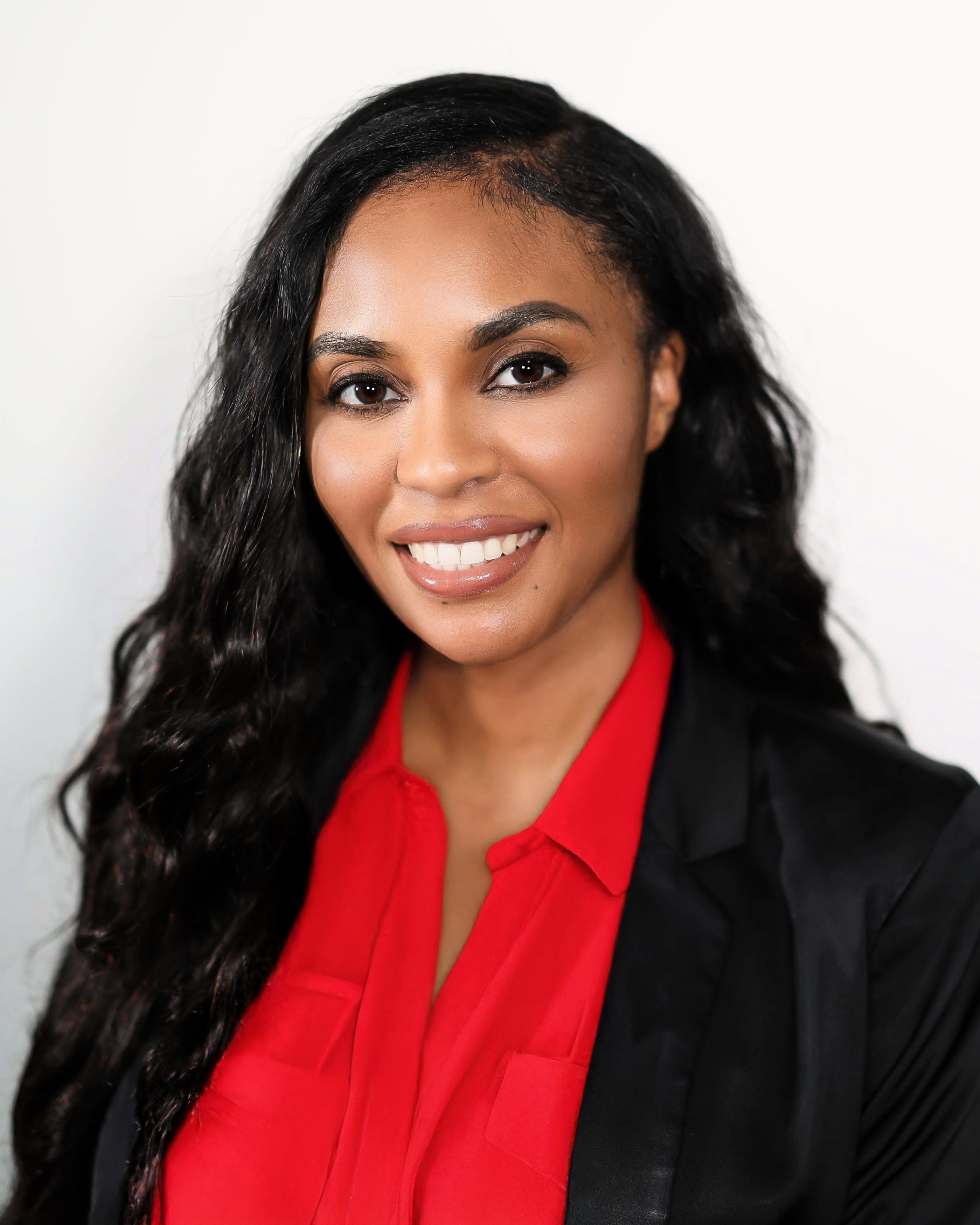
If you have any questions, please email:
Jasaantua Harding, MBA, MS
Administrator of Behavioral Health
jasaantua.harding@christchs.org